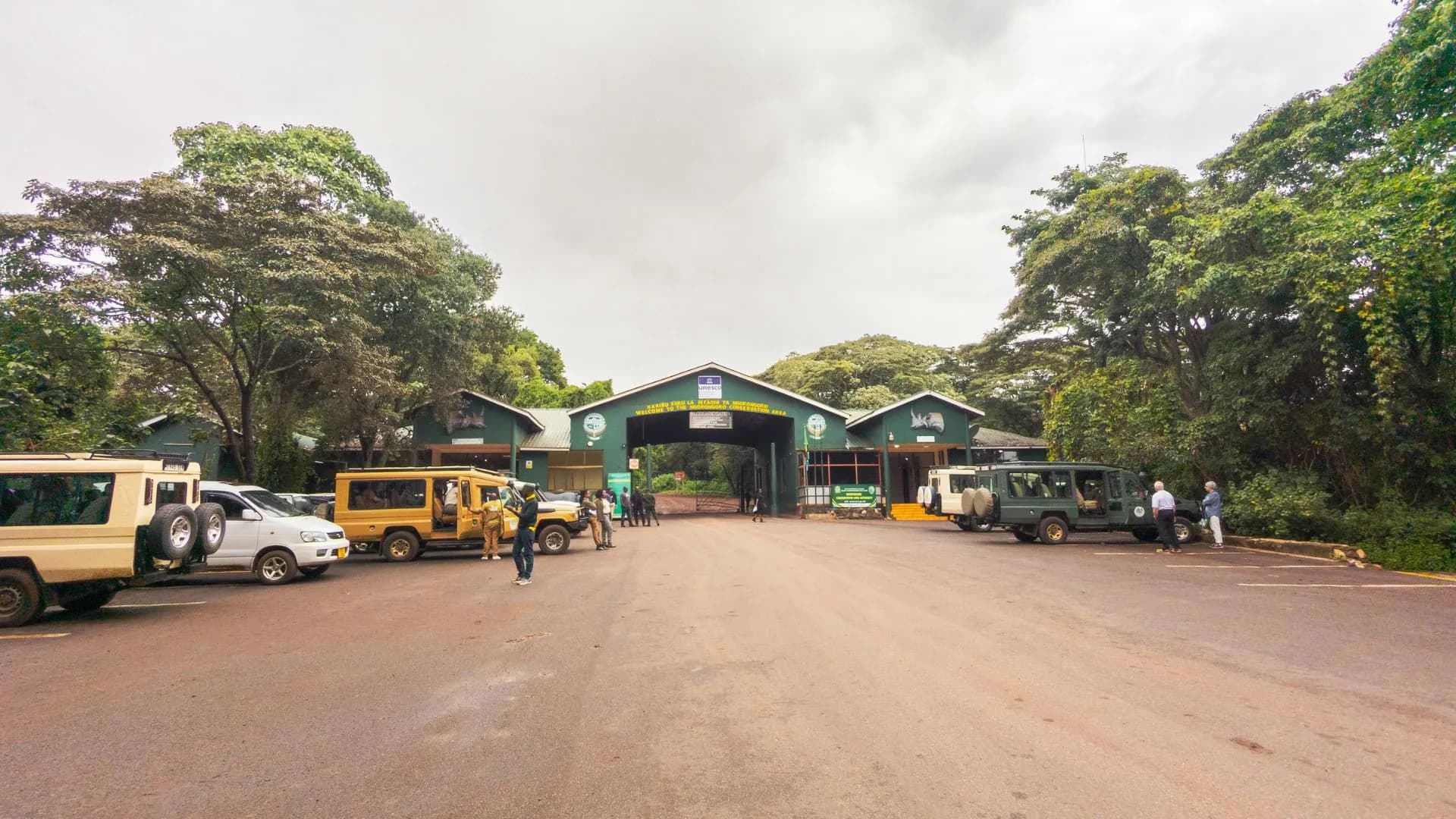
Year-round (June to October for optimal dry-season visibility; Jan to March for lush views)
1 to 2 days
Drive from Arusha (3.5 hours) or fly to Lake Manyara / Manyara Airstrip followed by a 1-hour drive
Descend 600 meters into the world's largest intact caldera · Highest chance of spotting the rare Black Rhino in Tanzania · Dense concentration of big cats including massive pride lions · Stunning soda lake packed with pink flamingos and hippos
About Ngorongoro Crater
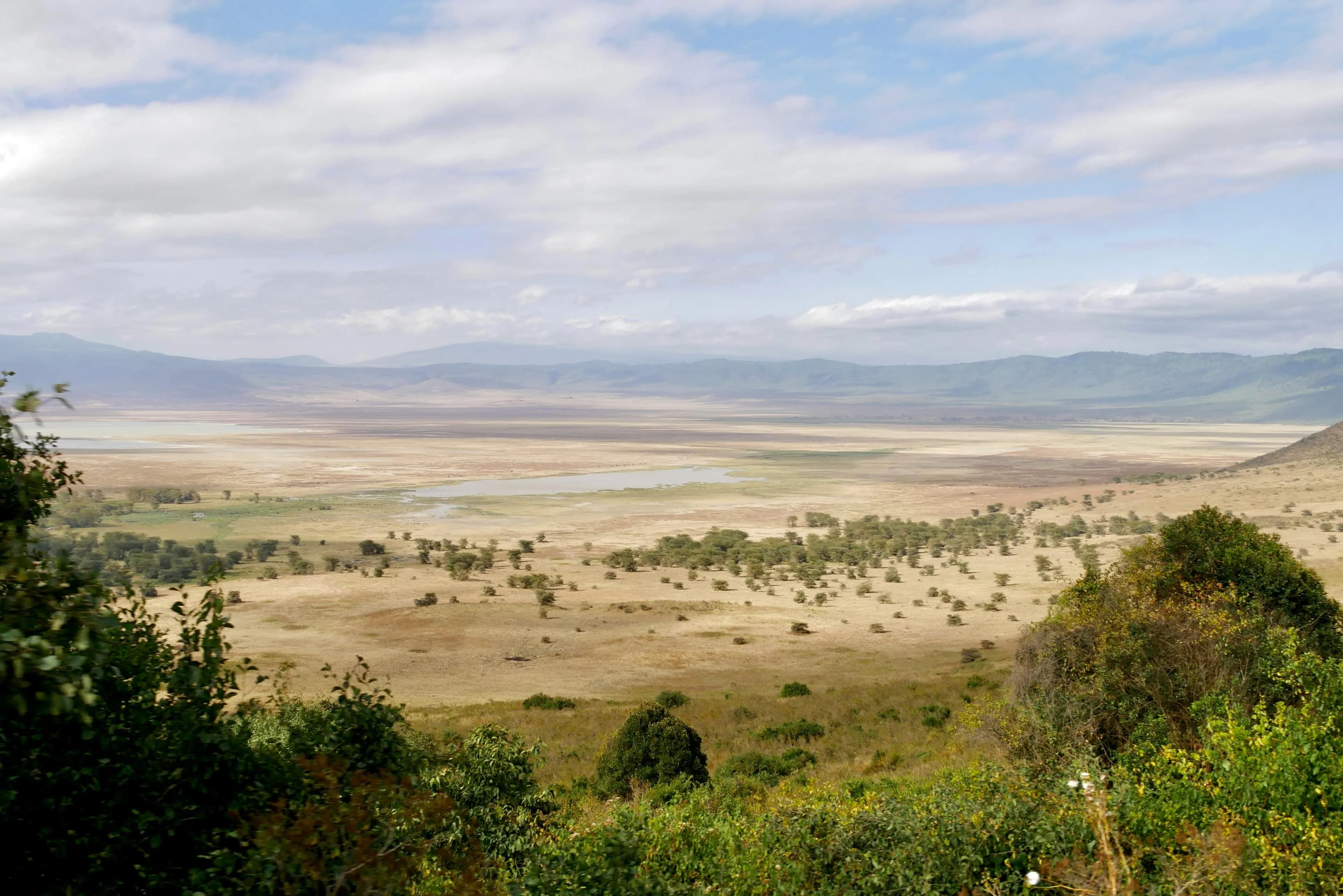
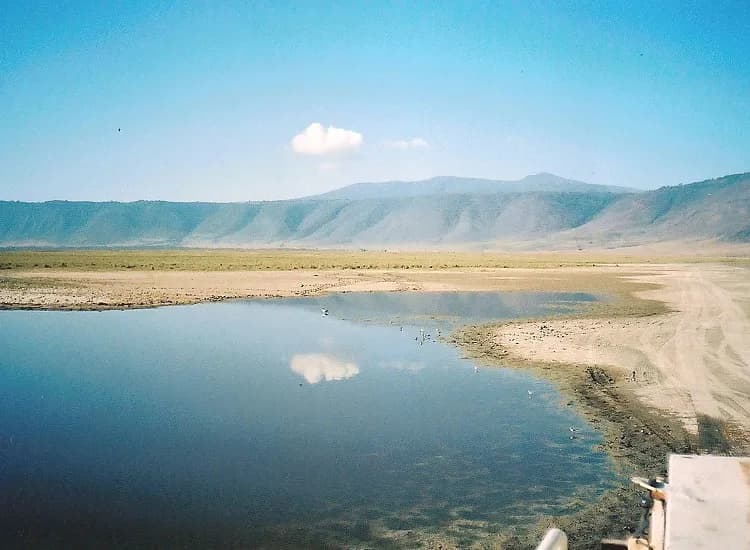
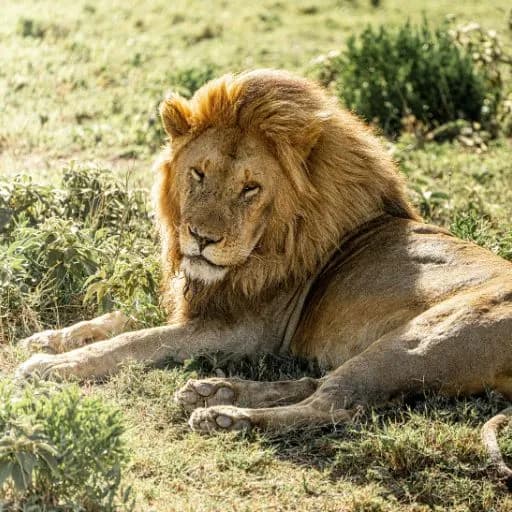
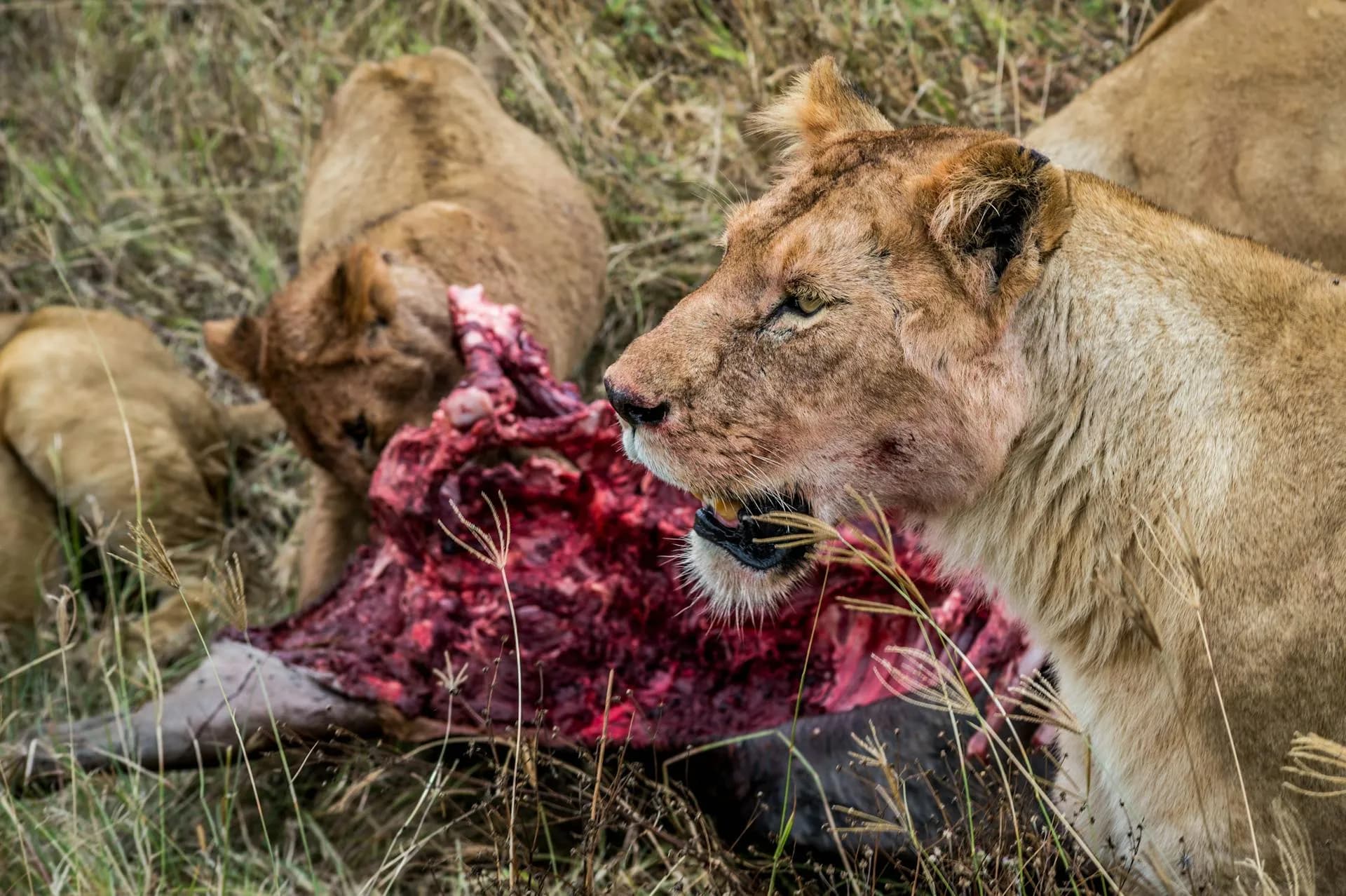
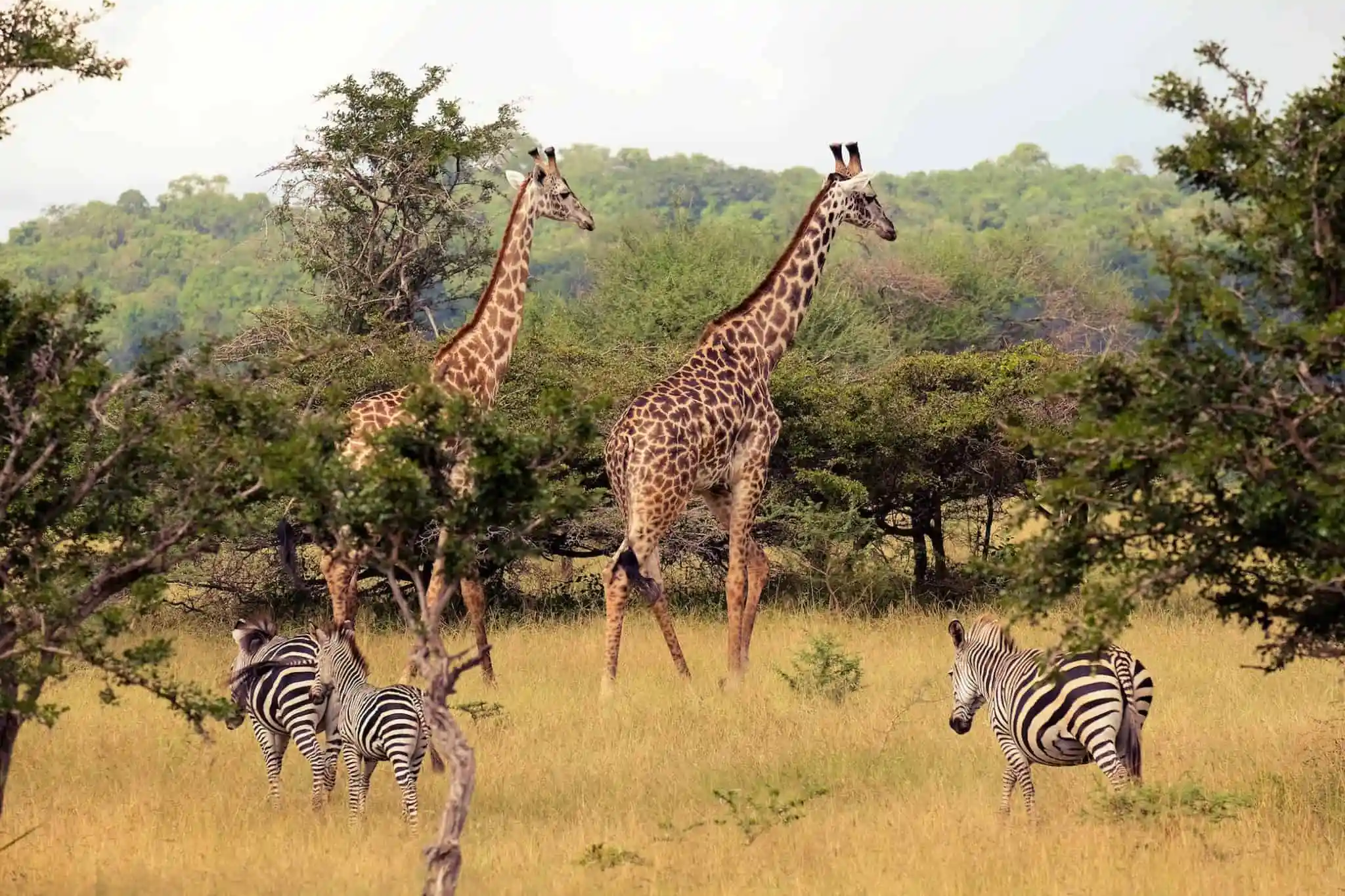
The Ngorongoro Crater is one of Africa’s most famous natural wonders and a UNESCO World Heritage Site. Formed when a massive volcano exploded and collapsed on itself 2 to 3 million years ago, the resulting caldera forms an enclosed 260-square-kilometer (100 sq mi) natural amphitheater filled with open savannahs, acacia forests, and soda lakes. Sheltering over 25,000 large mammals on its crater floor, Ngorongoro offers one of the most intense density-per-square-mile game viewing environments anywhere on Earth. --- - The Crater Floor Ecosystem Descending the steep 600-meter outer wall into the crater reveals a miniature world packed with diverse habitats: • Lake Magadi: A central alkaline lake that attracts thousands of lesser flamingos, grey crowned cranes, and waterbirds alongside large pods of hippos submerged in freshwater swamps like Ngoitokitok. • Lerai Forest: A yellow-fever acacia forest providing shade for large bull elephants with massive tusks, vervet monkeys, waterbucks, and elusive leopards. • Open Grasslands: Dominated by prides of lions, spotted hyenas, golden jackals, and vast herds of wildebeest, zebras, and gazelles grazing on nutrient-rich mineral soils. --- - The Big Five & Rare Black Rhinos Ngorongoro Crater is widely recognized as the single best location in Tanzania’s Northern Circuit to spot the Big Five in a single morning—and it is the premier stronghold for the critically endangered Black Rhino: • Black Rhinos: Protected round-the-clock by dedicated ranger patrols, around 30 black rhinos inhabit the crater floor. • Lions: The crater hosts an exceptionally dense population of lions, known for their large body sizes and high habituation to safari vehicles. • Tusker Elephants: Older bull elephants boasting immense tusks frequent Lerai Forest, though breeding herds with calves generally remain on the crater rim. --- - Planning Your Descent & Logistics • Transit & Permits: Crater entry permits are strictly timed for a single 6-hour game drive window to prevent over-congestion on the crater floor. • Rim Accommodations: Staying at lodges positioned on the high crater rim offers panoramic views of the caldera at sunrise, while Karatu town (45 minutes outside the gate) offers budget-friendly mid-range options. Plan your Ngorongoro safari with Ndito Travel to pair crater descents with seamless Serengeti overland logistics.
Location & Map
Frequently Asked Questions
Ready to see Ngorongoro Crater for yourself?
Tell us your dates and we'll send a free, no-obligation quote within 24 hours.
Interested in visiting Ngorongoro Crater?
Include Ngorongoro Crater in your custom safari itinerary or send a quick 60-second inquiry.
Recommended Safari Packages
Discover Tanzania With Us
Specially curated safari & island packages led by expert local guides.
3-Day Shared Group Joining Safari: Serengeti & Ngorongoro
3 Days / 2 Nights
View Trip →
5-Day Classic Mid-Range Safari: Tarangire, Serengeti & Ngorongoro
5 Days / 4 Nights
View Trip →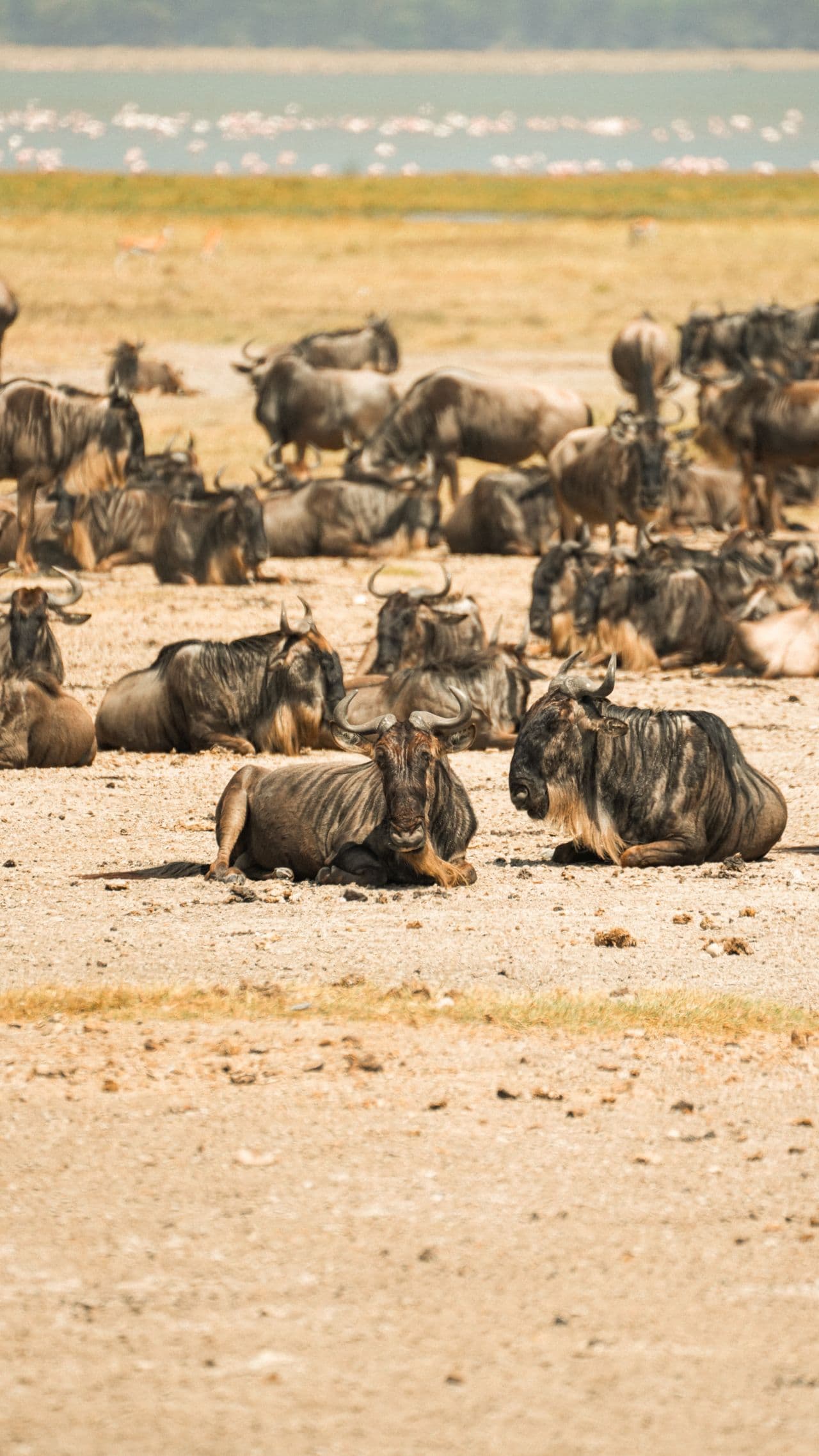
7-Day Great Migration Mara River Crossing Safari (Jul-Oct)
7 Days / 6 Nights
View Trip →
6-Day Serengeti Great Migration Calving Season Safari (Jan-Mar)
6 Days / 5 Nights
View Trip →4-Day Highlights Mid-Range Safari: Tarangire, Serengeti & Crater
4 Days / 3 Nights
View Trip →
5-Day Serengeti Balloon Safari & Ngorongoro Mid-Range Comfort
5 Days / 4 Nights
View Trip →
6-Day Western Corridor & Grumeti River Migration Safari (May-Jul)
6 Days / 5 Nights
View Trip →
5-Day SkySafari: Luxury Fly-In Serengeti & Ngorongoro Crater
5 Days / 4 Nights
View Trip →
7-Day Singita Grumeti Reserve Ultra-Luxury Private Safari
7 Days / 6 Nights
View Trip →
5-Day Luxury Serengeti Migration & Hot Air Balloon Fly-In
5 Days / 4 Nights
View Trip →
4-Day Fly-In Luxury Weekend: Tarangire & Ngorongoro Crater
4 Days / 3 Nights
View Trip →
3-Day Nyerere National Park (Selous) Fly-In Boat & Walking Safari
3 Days / 2 Nights
View Trip →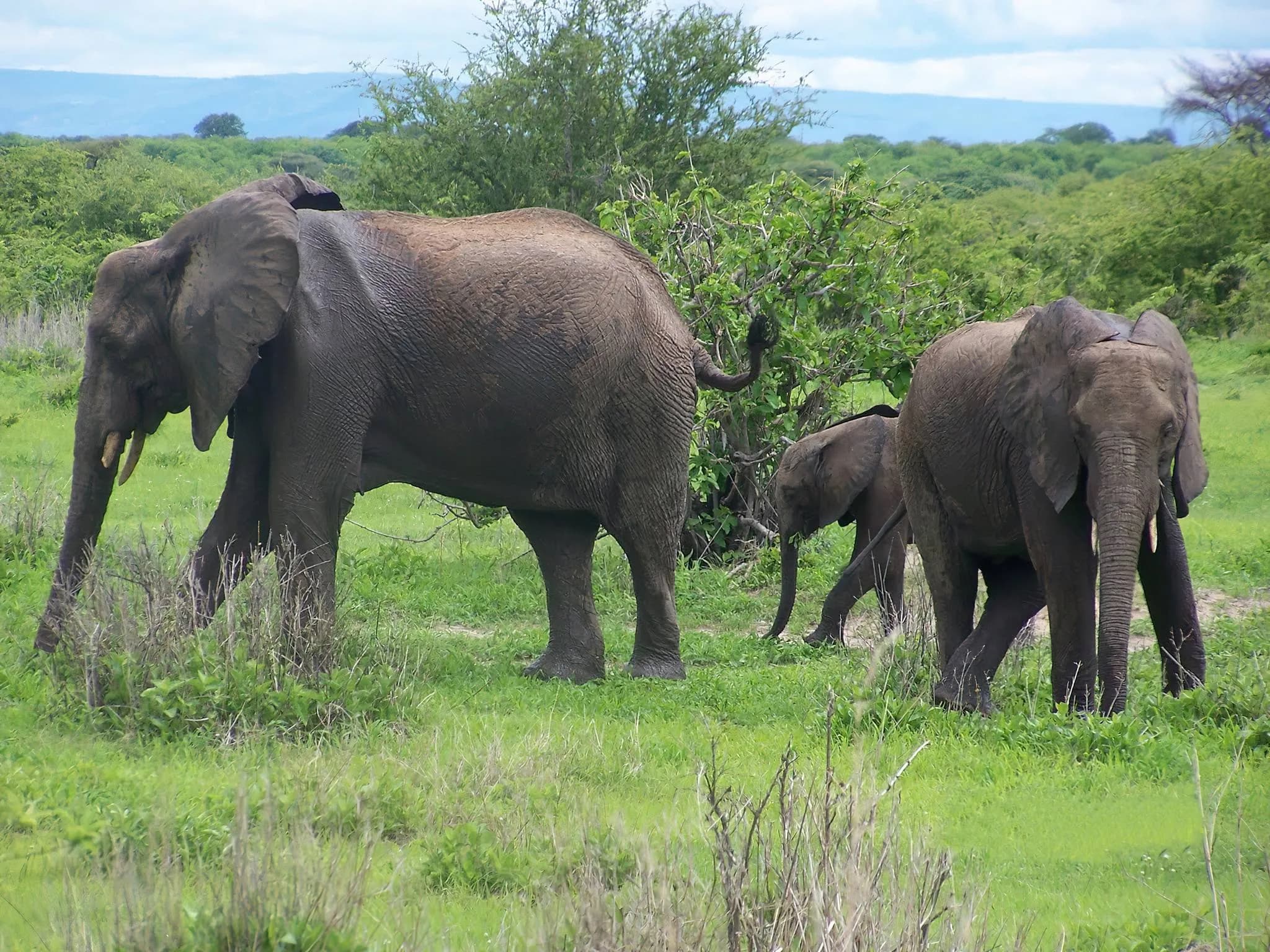
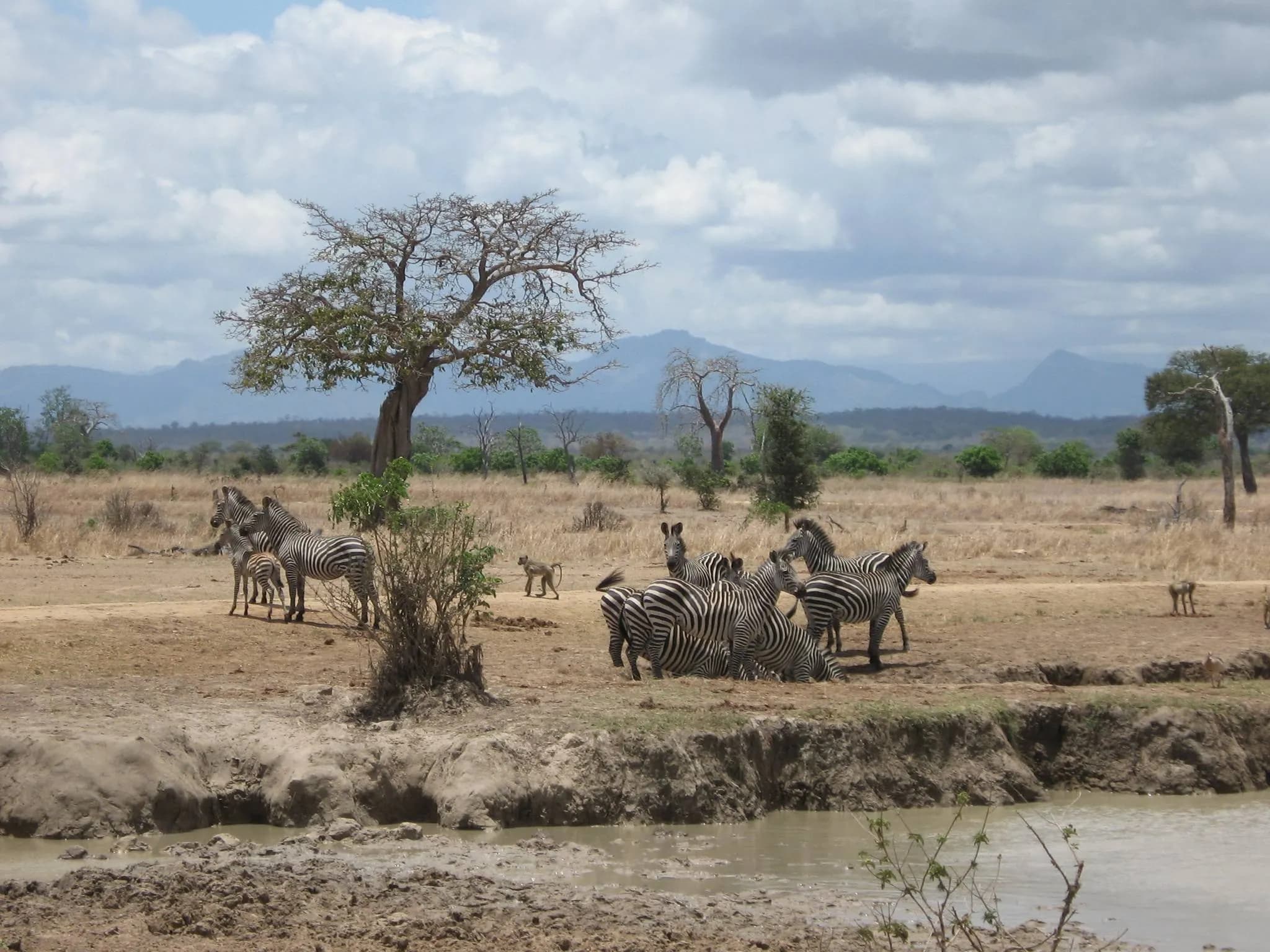
3-Day Mikumi National Park Road Safari from Dar es Salaam
3 Days / 2 Nights
View Trip →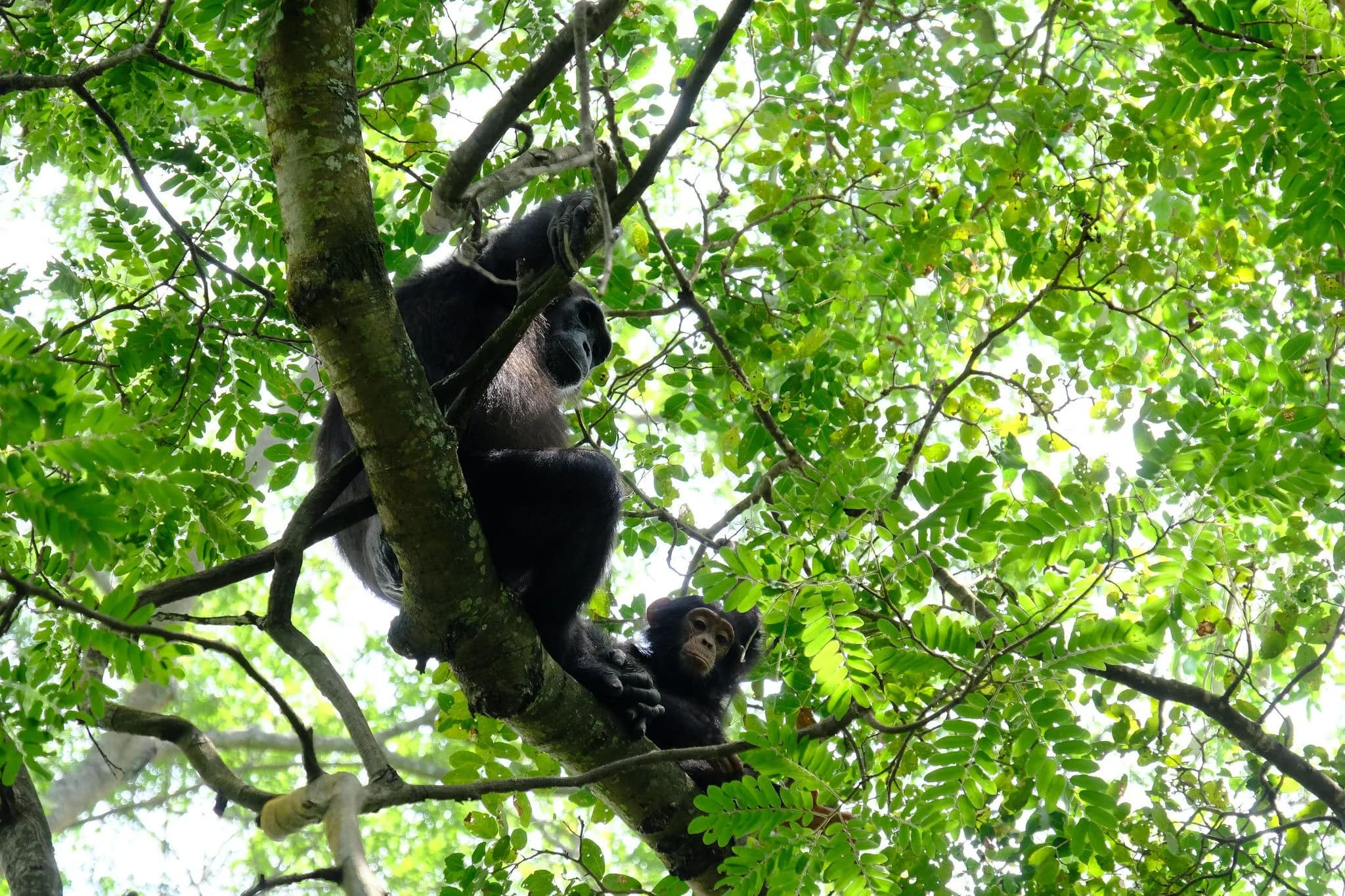
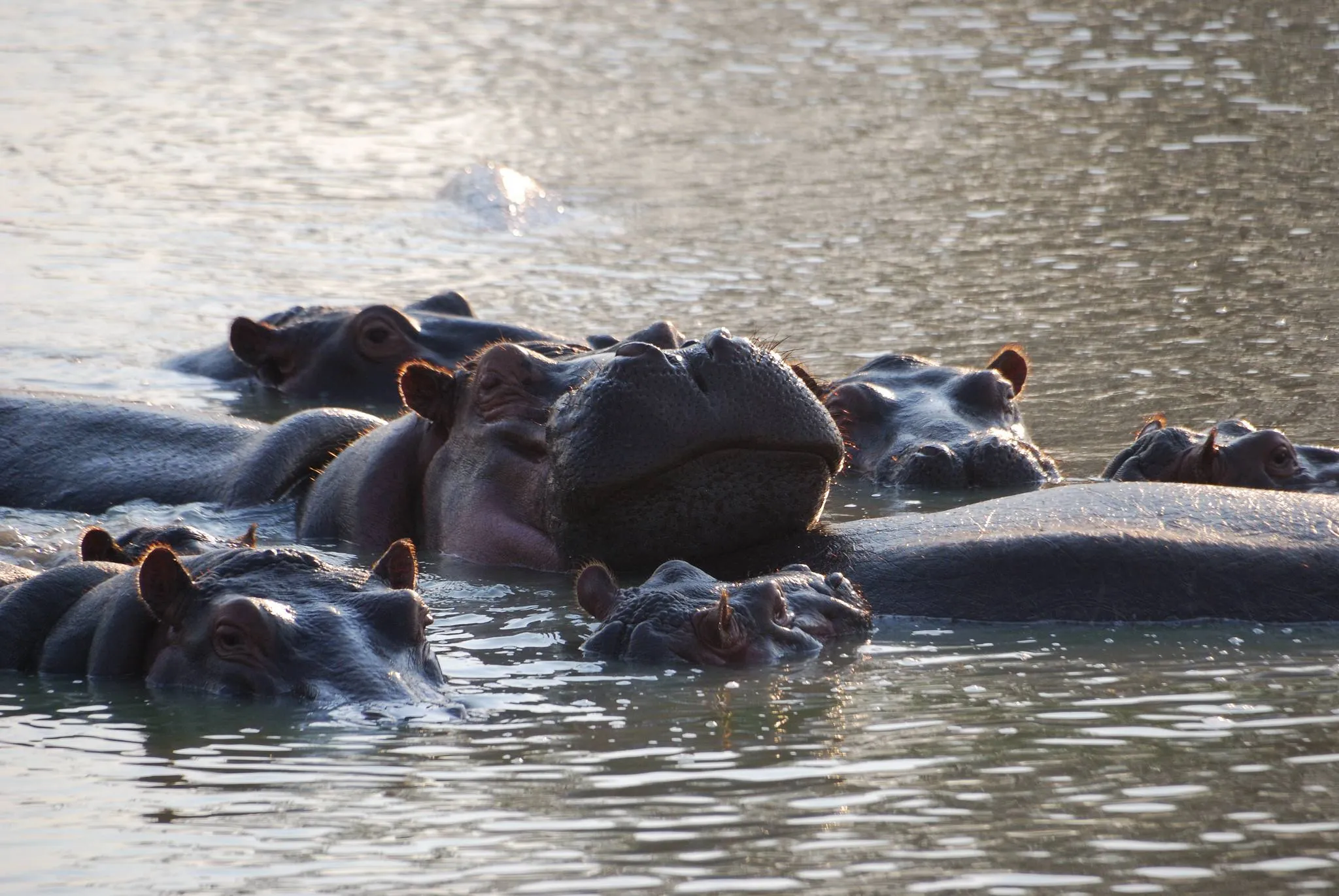
6-Day Southern Pioneer: Nyerere (Selous) & Ruaha Fly-In Combo
6 Days / 5 Nights
View Trip →7-Day Bush to Beach: Serengeti, Ngorongoro & Zanzibar Package
7 Days / 6 Nights
View Trip →10-Day Ultimate Luxury Bush & Beach: Serengeti & Zanzibar Nungwi
10 Days / 9 Nights
View Trip →8-Day Budget Explorer: Tarangire, Ngorongoro & Zanzibar Beach
8 Days / 7 Nights
View Trip →
12-Day Grand Tanzania: Bush Safari, Kilimanjaro Day Trek & Zanzibar
12 Days / 11 Nights
View Trip →14-Day Complete Tanzania Safari & Zanzibar Island Expedition
14 Days / 13 Nights
View Trip →Plan Your Own Trip
Tell us your dream adventure and we will craft a personalized itinerary for you.
Start Customizing →← Swipe to explore more trips →