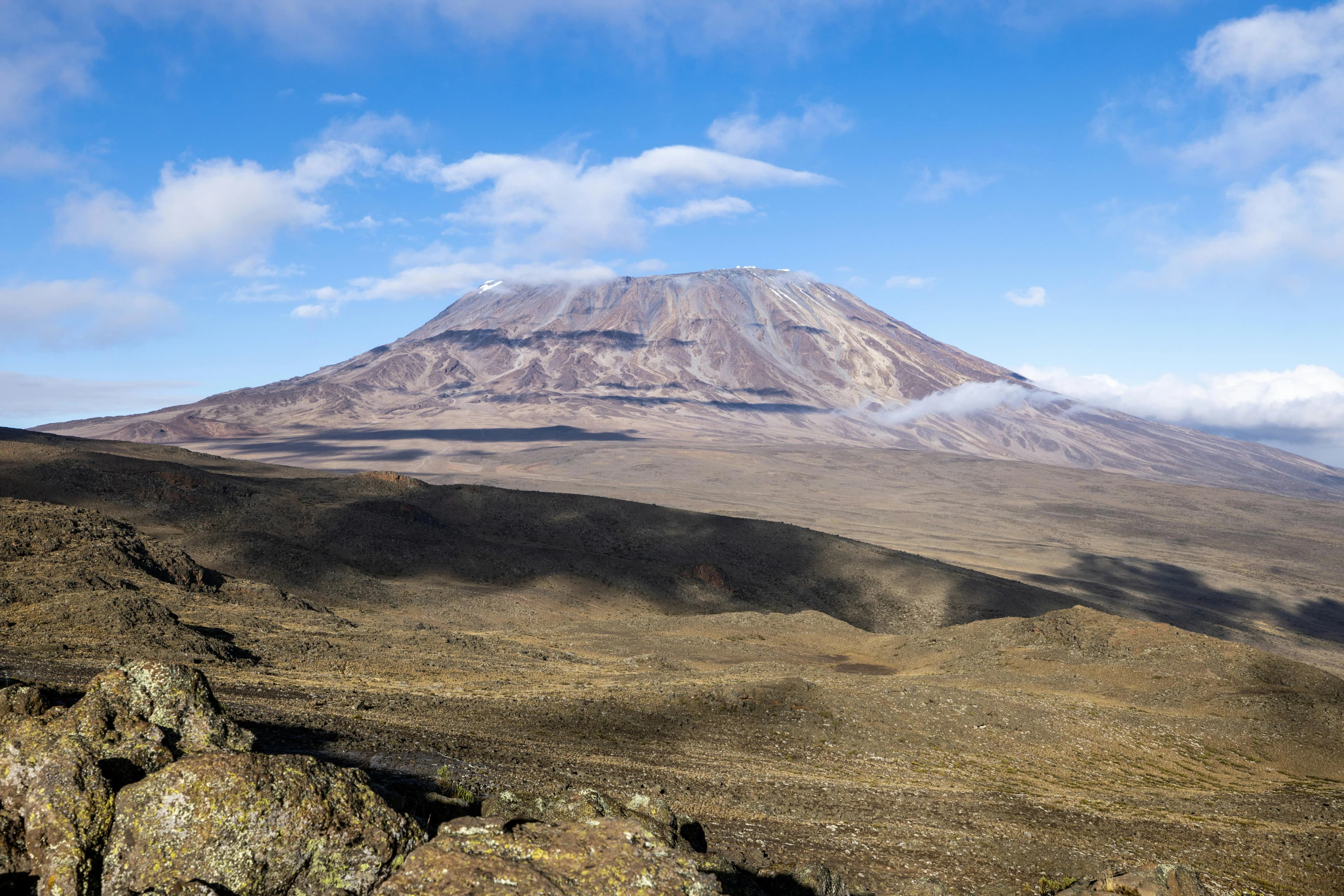
1. Understanding the Layering System on Kilimanjaro
As you ascend Mount Kilimanjaro, you cross five distinct climate zones—ranging from hot, tropical rainforest at the base to arctic conditions near Uhuru Peak (-15°C / 5°F). Mastering the layer-based wardrobe system is mandatory for survival and warmth.
Avoid cotton entirely; cotton retains moisture and causes hypothermia. Stick to moisture-wicking synthetic fibers, merino wool, and waterproof outer shells.
2. Base, Mid, and Outer Layers
Your clothing strategy relies on three main layers:
- **Base Layer (2-3 Sets):** Merino wool or synthetic thermal tops and bottoms.
- **Mid Layer (1-2 Sets):** Fleece jackets or lightweight synthetic down jackets.
- **Outer Layer:** 100% windproof and waterproof Gore-Tex hard shell jacket and pants.
- **Summit Insulation:** A 700+ fill-power heavy down jacket rated for sub-zero conditions.
3. Footwear and Sleeping Equipment
Broken-in, waterproof hiking boots with ankle support are essential. Do not start a trek with brand-new boots. Pair them with 4-5 sets of thick wool socks and liner socks.
For sleeping gear, a 4-season sleeping bag with a comfort rating of **-10°C to -15°C (14°F to 5°F)** is required. Ndito Travel offers high-spec sleeping bag rentals in Moshi for trekkers flying without heavy luggage.