1. What Crater Camping Actually Is
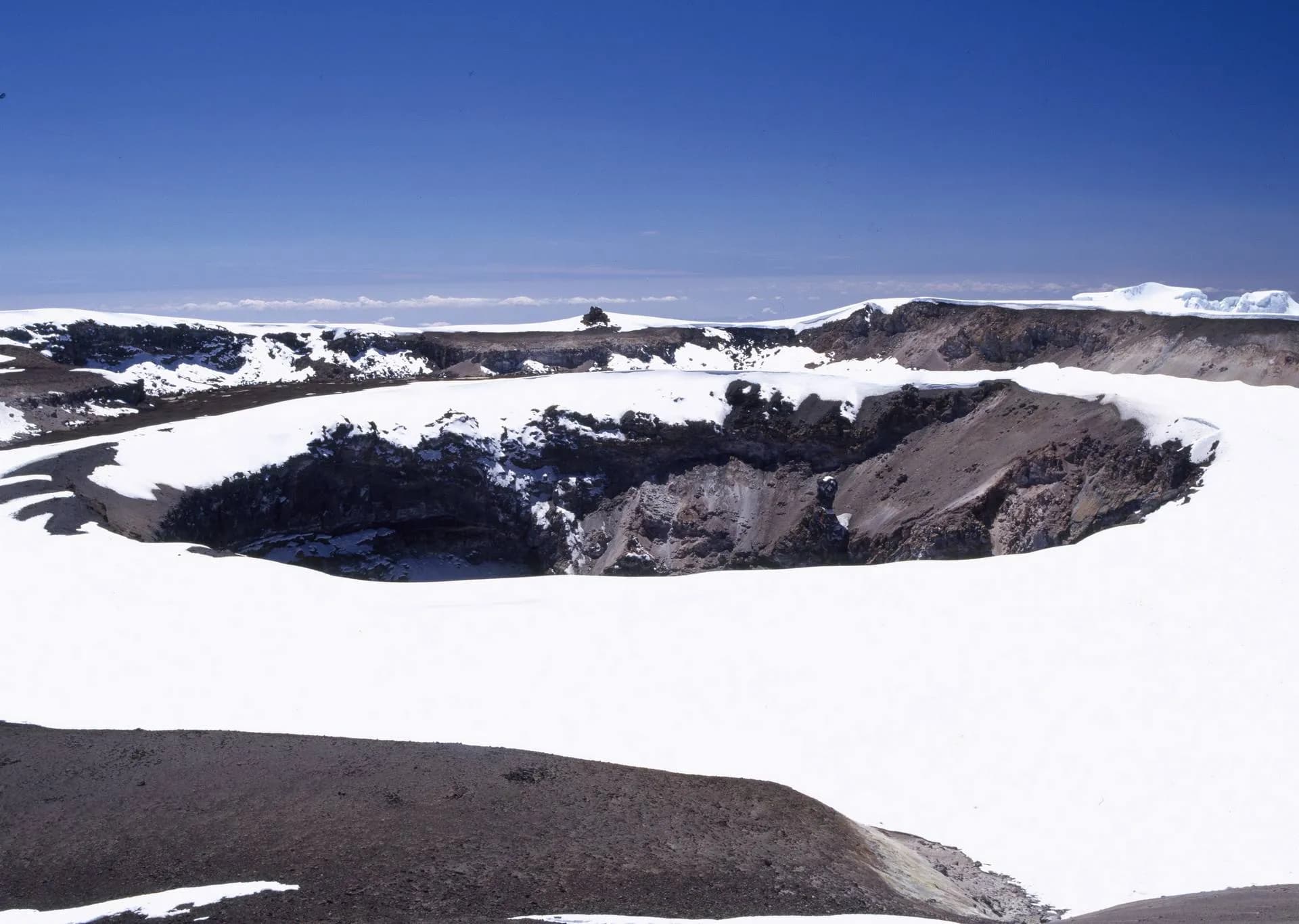
Rather than summiting Uhuru Peak and descending the same day, a small number of climbers arrange to camp overnight inside Kibo's summit crater — Crater Camp sits at roughly 5,700 meters, just below the crater rim and near the Furtwängler Glacier. It's an optional extension available on select routes (most commonly Lemosho, Machame, or Northern Circuit), requiring a specific permit and an extra day added to the standard itinerary.
2. Why Climbers Choose to Do It
The appeal is straightforward: very few people ever sleep at this altitude on Kilimanjaro, and the crater itself is a striking, otherworldly landscape of ash, ice formations, and the glacier walls of Furtwängler — completely different scenery from the standard summit push. Climbers who do it often describe watching sunset and sunrise from inside the crater as a genuinely rare experience most Kilimanjaro climbers never see.
3. The Real Physical Demands
This is not an add-on to take lightly. Sleeping at 5,700m means spending a night at an altitude higher than all but a handful of trekking destinations on Earth, which meaningfully increases AMS and HAPE/HACE risk compared to summiting and descending the same day. It requires additional acclimatization built into the itinerary beforehand, a physically fit and altitude-adapted climber, and close monitoring by guides — this is precisely the kind of add-on where twice-daily oxygen saturation checks by an experienced guide matter most.
4. Logistics: Permits, Cost, and Crew
Crater camping requires a separate KINAPA permit on top of standard park fees, and not all operators offer it as a standard option since it demands additional experienced crew, oxygen equipment, and a longer schedule. Expect to add at least one extra day and a meaningful cost increase to a standard 7 to 9-day itinerary. Water is also scarce and often frozen at this altitude, so extra supplies need to be carried up specifically for the crater night.
5. Who Should Consider It — and Who Shouldn't
Crater camping suits experienced trekkers who have successfully handled high altitude before, are climbing with an operator experienced specifically in crater logistics, and are building in adequate extra acclimatization time rather than bolting it onto a standard-length itinerary. It is not a good fit for first-time high-altitude climbers, anyone with a history of altitude illness, or anyone treating it as a bragging-rights add-on rather than a serious extension requiring its own risk assessment with an experienced guide.